

The Site of Robbins Airport in Robbins, Illinois, marks an important chapter in Black aviation history. Built for and by African Americans, the airport operated from 1931 to 1933, and its flight school trained pilots who later became Tuskegee Airmen.
- Location: The former airport stood in the southwest portion of Robbins, with its lower edge along the Tri-State Tollway.
- Airport era: The airstrip was open from 1931 to 1933.
- Hotel travel time: The site is about a 10-minute drive from a hotel in Calumet Park.
- What remains: A historical-society account reports that essentially no remnants of the airport remain.
What Was Robbins Airport?
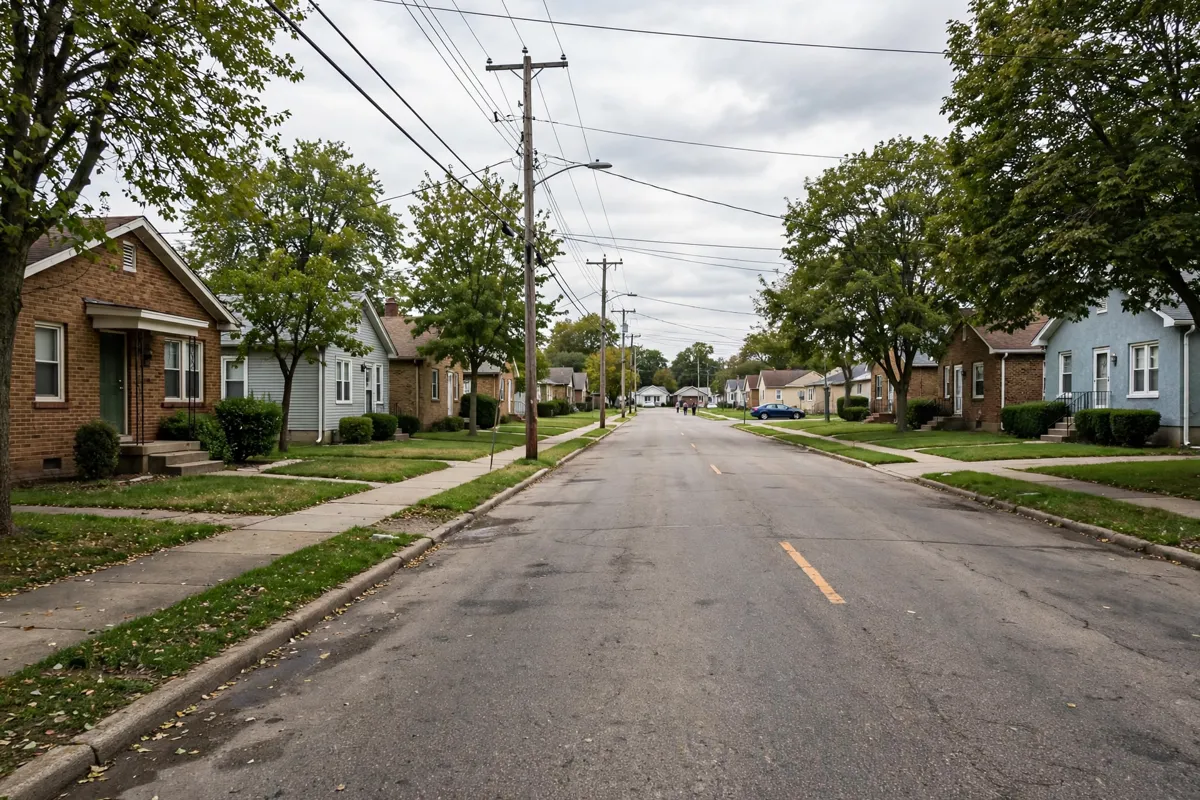
Robbins Airport was an early airport and flight school built, owned, and operated by and for African Americans. The Village of Robbins’ development plan describes it as the site of the first African-American airport and aviation school, founded by aviator John C. Robinson.
The National Air and Space Museum says the Challenger Air Pilots Association, organized by Robinson, spearheaded construction of the airstrip in 1931. Cornelius Coffey and Robinson are also credited with the airport’s creation. The Smithsonian’s image record, titled “Robbins airstrip,” documents its history.
The airport’s flight school trained African American pilots, including ten who later became Tuskegee Airmen. That link places the small Robbins airstrip within the wider story of Black aviation in the Chicago area during the 1920s and 1930s.
Why Is the Site Historically Significant?
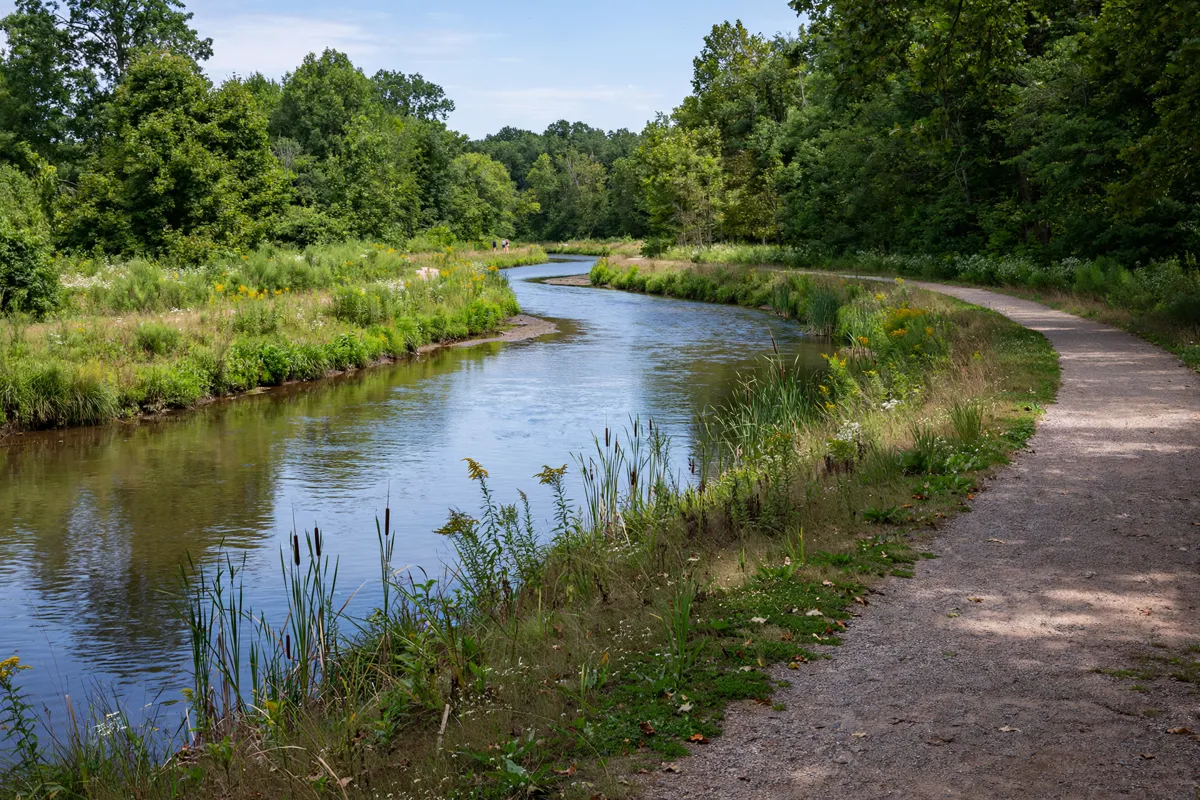
Robbins Airport matters because it provided a place for Black aviators to build aviation skills at a time when they faced barriers to participation. Its history connects local community organizing and flight training with the later service of Tuskegee Airmen.
The former airport is also part of the African American Heritage Water Trail, which follows the Little Calumet River and Cal-Sag Channel between Beaubien Woods and the Village of Robbins.
Openlands identifies the airport site as a significant place along the trail. Tyrone Haymore, co-founder and director of the Robbins History Museum, has worked as a community partner in highlighting that history.
For a related account of Black labor and history in the region, the A. Philip Randolph Pullman Porter Museum visitor guide covers another important part of the area’s African American heritage.
What Can You See at the Site Today?
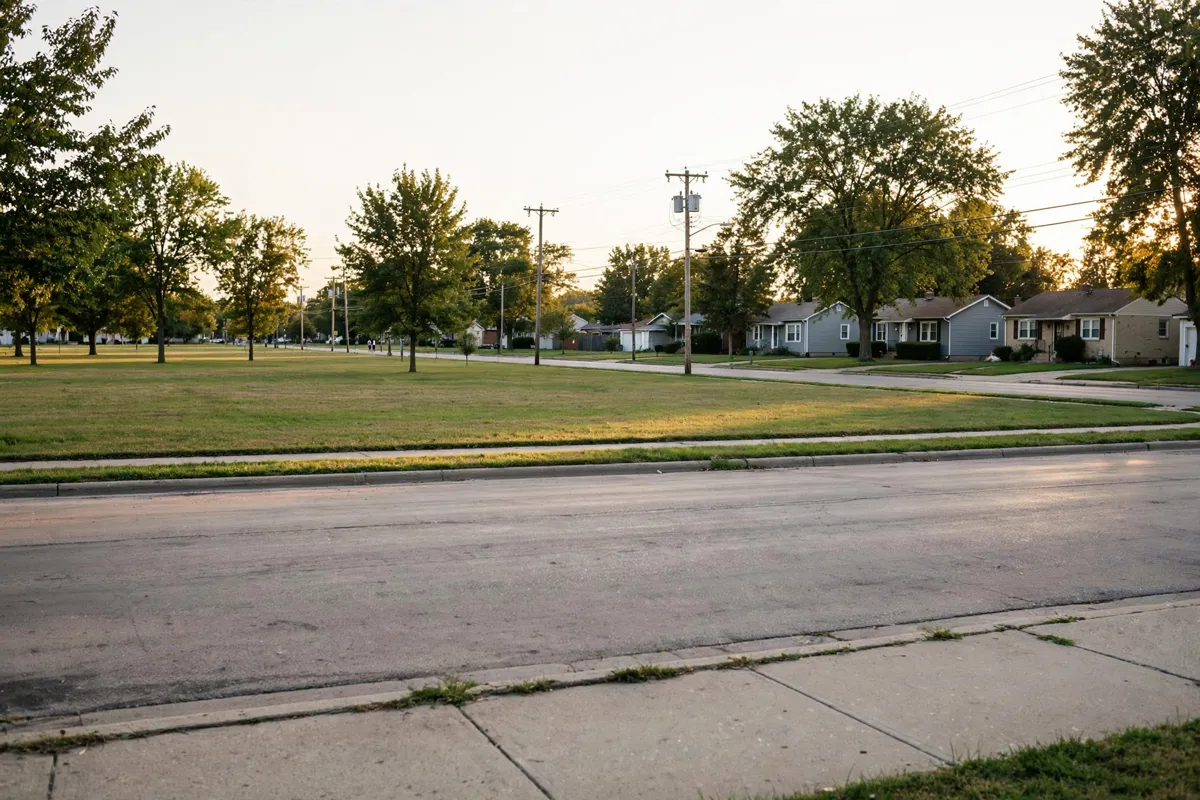
There are essentially no remnants of the airport, according to a historical-society article. The location is best understood as a historic site rather than as a preserved airfield with visible airport structures.
The former airport was at 14046 S. Lawndale Avenue, in southwest Robbins; the lower edge of the site ran along the Tri-State Tollway. A marker was dedicated in Robbins on September 6, 2003, on Cornelius Coffey’s 100th birthday. The historical record also continues to grow: the Robbins Historical Society collects information about the airport.
How Do You Get to the Robbins Airport Site?
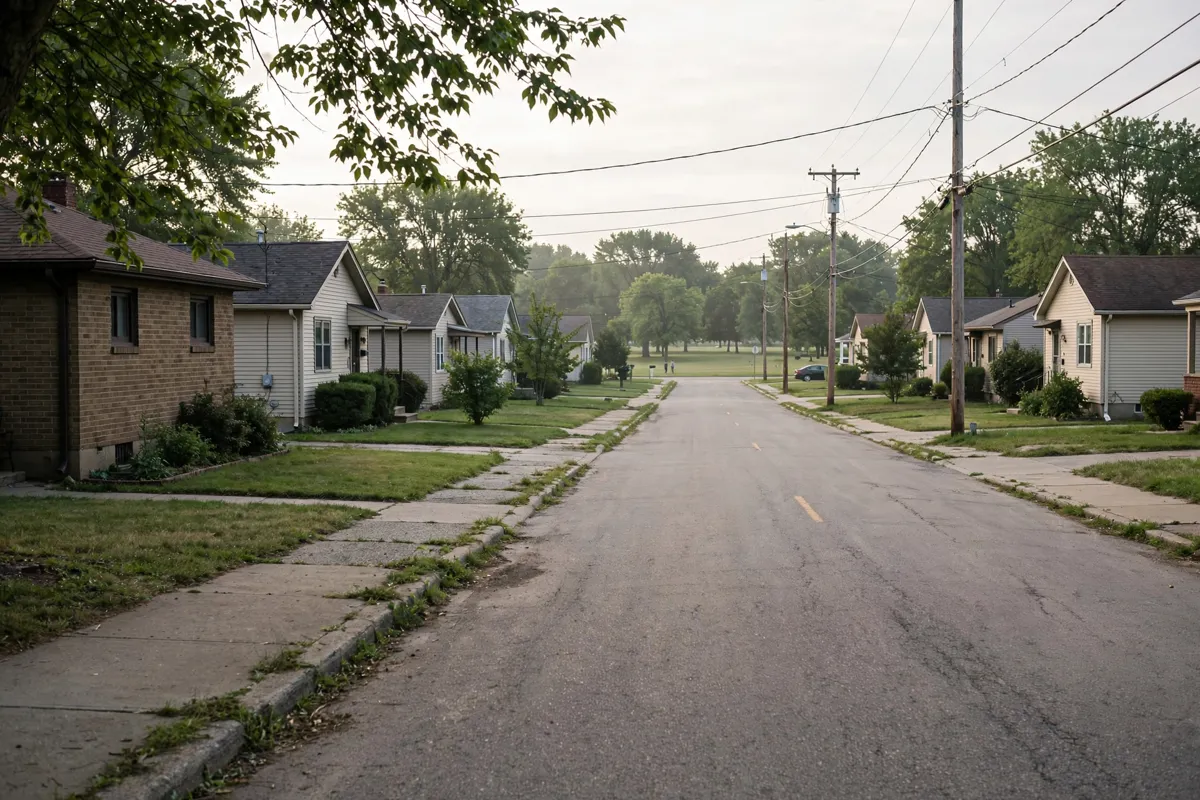
The former airport site is in the southwest portion of Robbins, with the Tri-State Tollway marking the lower edge of the former grounds. From Kings Inn, the drive takes about 10 minutes. The location is also identified as 14046 S. Lawndale Avenue in a Chicago Defender account.
Since little of the airfield remains, it helps to approach the visit as a chance to understand the site’s location and history, rather than to look for airport buildings. You can pair the stop with other local-history interests; a guide to Calumet Park and its local area gives broader context for the nearby community.
Planning a Respectful Visit
This is a community historic site, and the airport’s story is closely tied to Robbins and the people who built its aviation history. Keep any visit considerate of the surrounding area, and avoid assuming that the former airfield is a staffed attraction or that its marker is on the precise airport footprint.
For additional background, the Robbins Historical Society continues to collect information about the airport, while the African American Heritage Water Trail connects its history with the wider landscape. Details about public access can change, so check the official site before you go.
FAQs
When did Robbins Airport operate?
Robbins Airport was open from 1931 to 1933.
Who founded or built Robbins Airport?
Sources credit aviators John C. Robinson and Cornelius Coffey with its history. The Challenger Air Pilots Association, organized by Robinson, spearheaded construction of the airstrip.
Did the airport train Tuskegee Airmen?
Its flight school trained African American pilots, including ten who later became Tuskegee Airmen.
Are there airport buildings left at the site?
A historical-society account reports that essentially no remnants of the airport remain.