

Pullman National Historical Park is a historic district in Chicago, Illinois, where you can explore the story of a planned industrial community, its architecture and its labor and civil rights history. From Calumet Park, the park makes a manageable day trip; plan on a half day to visit the Visitor Center and walk or drive among representative district sites.
- Location: Chicago, Illinois; Visitor Center at 610 E. 111th Street.
- From Kings Inn: Pullman is about 3.5 miles from Kings Inn, which offers rooms in Calumet Park.
- Time to set aside: a half day, with a self-guided tour estimated at 15–90 minutes.
- Park admission: no entrance fee or pass is required; partner sites may charge separate fees.
Why visit Pullman National Historical Park?
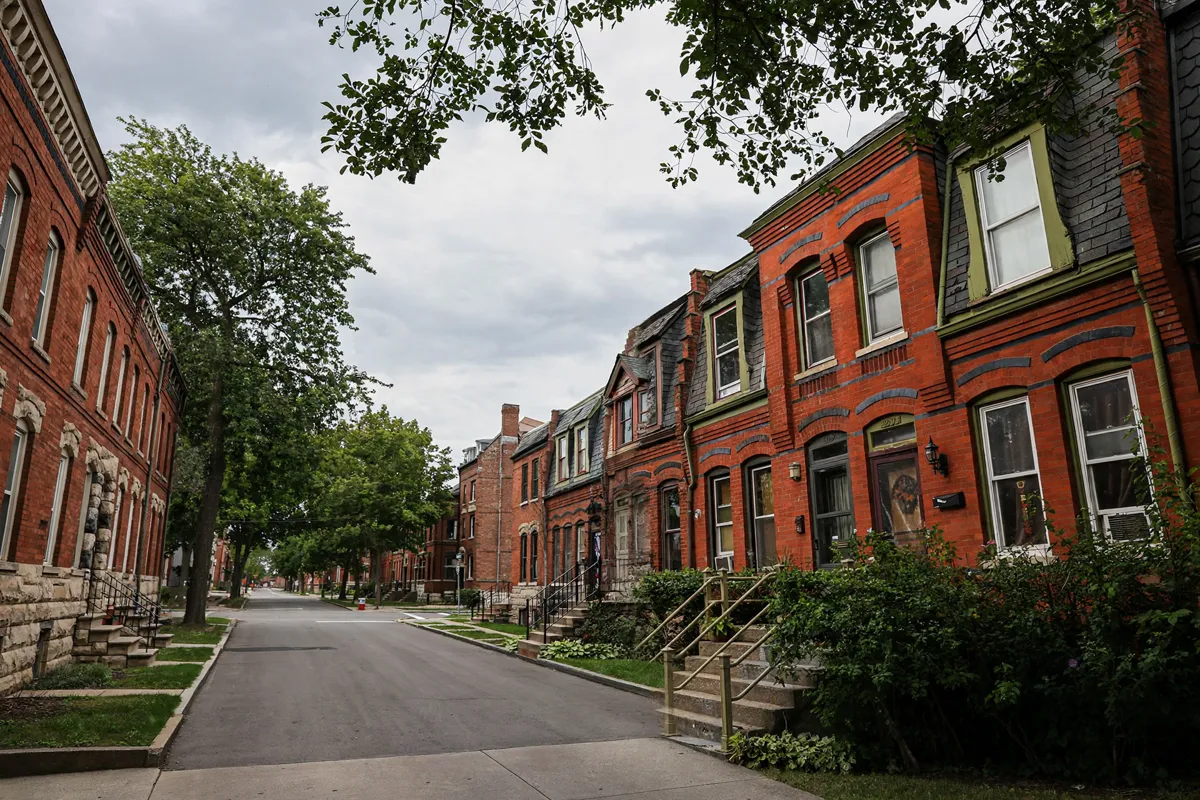
Pullman National Historical Park tells how planning, industry, labor and community life shaped one Chicago neighborhood. Its story includes urban planning and architecture alongside labor and civil rights history, so a walk through Pullman connects the historic setting with the forces that shaped it.
The Pullman Car Works extended one and a half miles, from 104th Street to 115th Street, between 1881 and 1900. The scale of the works helps explain why the surrounding district is more than a collection of historic buildings: it was designed as an industrial community.
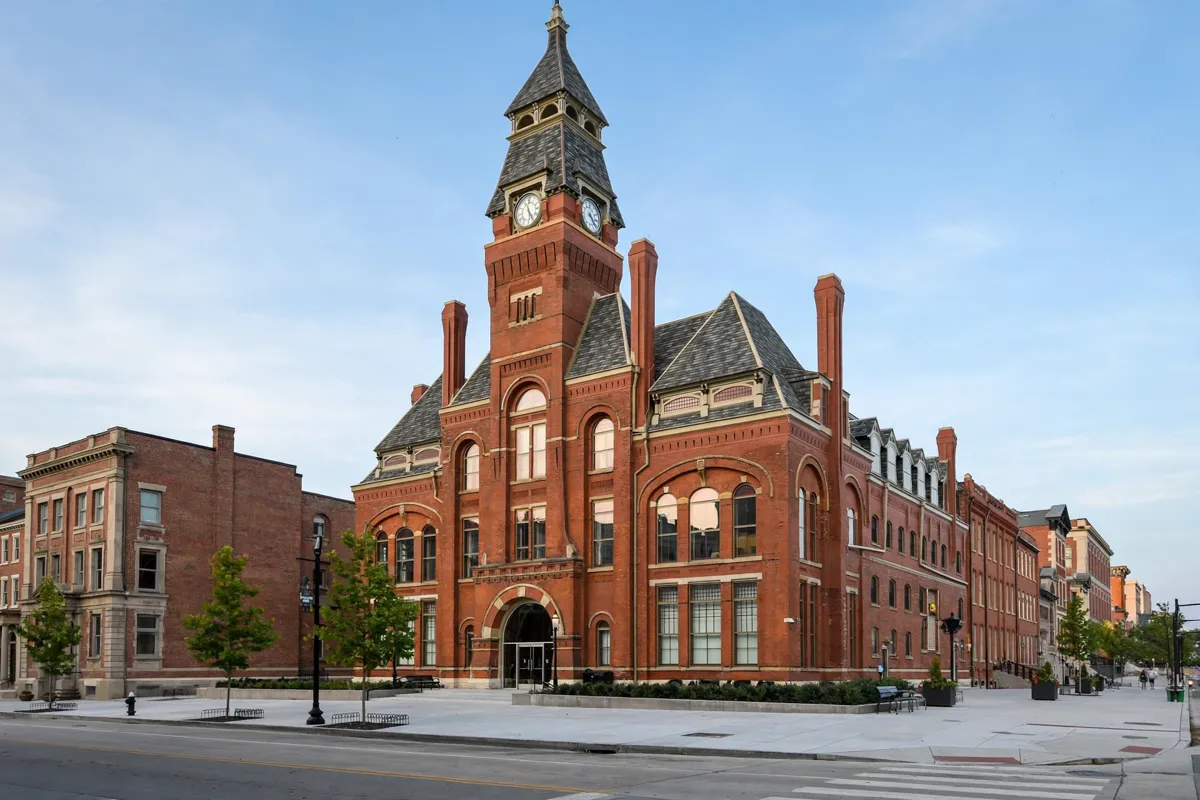
Start at the Pullman National Historical Park Visitor Center
The Visitor Center at 610 E. 111th Street is the best first stop for orientation, introductory exhibits and suggestions for exploring the district. Its exhibits cover labor rights, manufacturing, urban planning, immigration and civil rights, and park staff and volunteers can offer trip suggestions.
Pick up the free self-guided walking or driving tour pamphlet here or at the Pullman Exhibit Hall or Administration-Clock Tower Building. It covers representative buildings in the northern, central and southern parts of the park. NPS estimates the self-guided tour at 15–90 minutes, while recommending a half day to explore the park as a whole.
Ranger-led tours are described as free and typically last 45 minutes to one hour. They are offered at 1:00 PM, but may be canceled because of staffing, special events, inclement weather or wind-chill advisories. Groups larger than 15 should give advance notice; daily tours are first come, first served, with a limit of 25 participants.
What can you see in the Pullman Historic District?
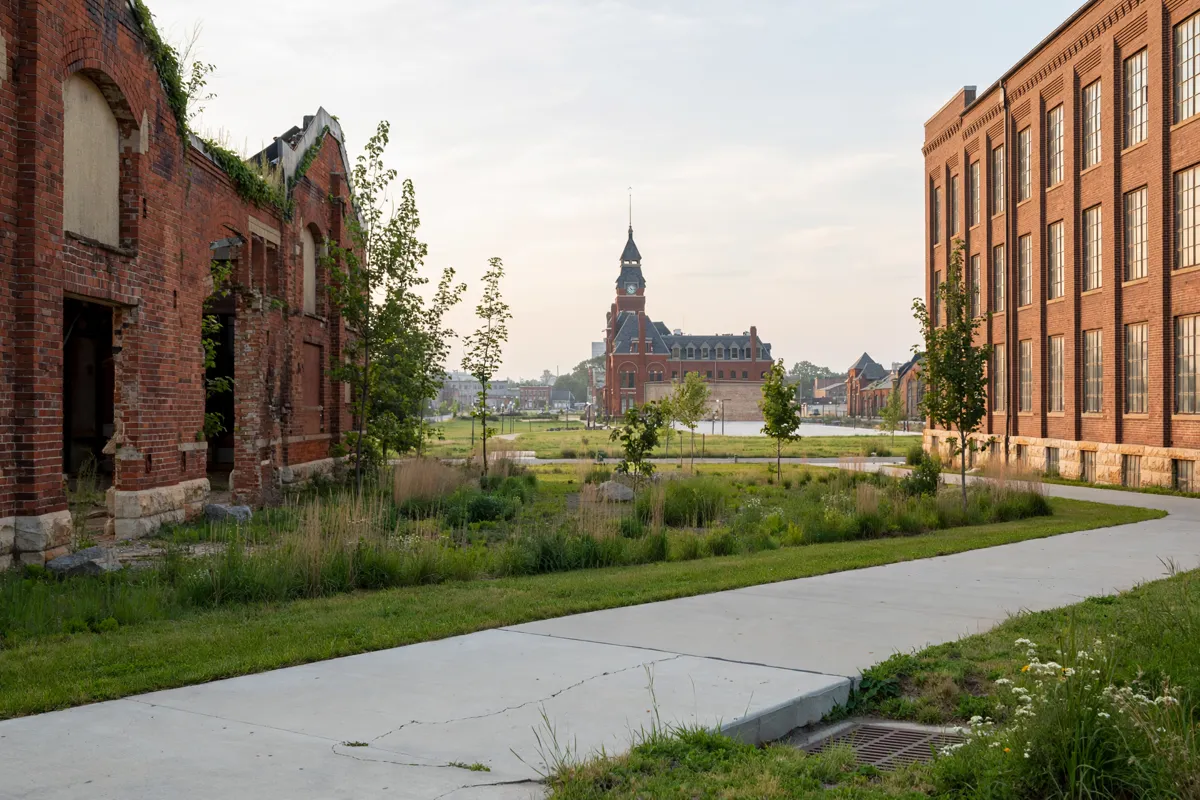
Use the tour pamphlet to choose buildings across the district, or combine a walk through its streets with time at the Pullman Car Works grounds. The grounds include twelve acres of walking paths, interpretive signs and views of historic industrial buildings; the Illinois Department of Natural Resources says they are open from dawn until dusk.
Pullman remains a living neighborhood, and its homes are privately owned. You can explore public streets and sidewalks, but you may not enter private homes. Other visitor destinations include the Pullman Exhibit Hall, the National A.
Philip Randolph Pullman Porter Museum and the Pullman House Project. Access, programs and fees at these partner sites can differ from those at the national park; the A. Philip Randolph Pullman Porter Museum has its own visitor details.
How do you get from Calumet Park to Pullman?
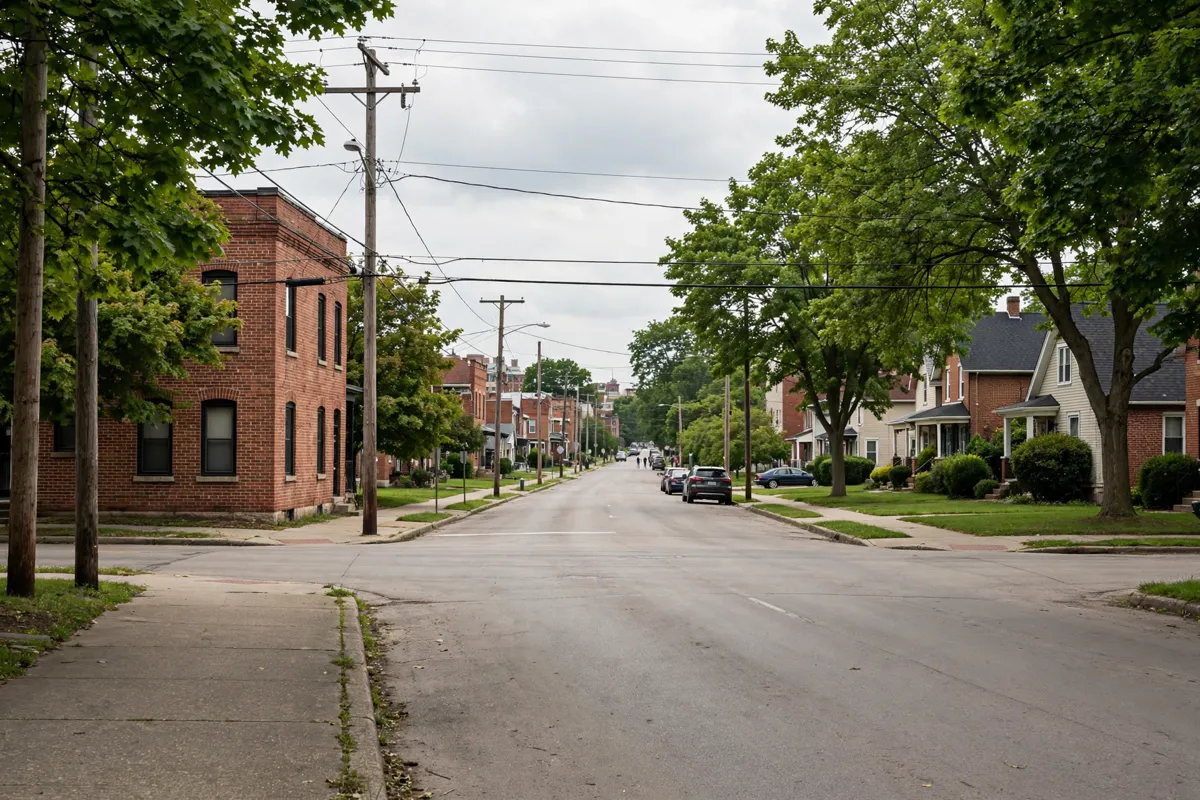
You can reach the Visitor Center by public transit or car. CTA routes #4 and #115 serve the Visitor Center at Cottage Grove Avenue and 111th Street. From downtown, the NPS directions describe taking the Red Line to connect to the #115 bus.
The Metra Electric 111th Street–Pullman station is the closest station to the Visitor Center. The train journey from downtown takes approximately 30–40 minutes; from the station, walk east to Cottage Grove Avenue and north one block to the Visitor Center. For more on rail in the area, the Calumet Park rail guide covers local connections.
If you drive, the Visitor Center parking-lot entrance is on 111th Street. NPS directions describe reaching it from I-94 via the 111th Street exit, exit #66A. The Illinois Department of Natural Resources also identifies a parking lot north of 111th Street between South Cottage Grove Avenue and South Langley Avenue.
Check hours and site access before you go
Visitor Center hours can vary across official park information, so check the official site before you go. Partner destinations have their own access, program and fee arrangements, and ranger tours can be canceled. The park itself has no entrance fee or entrance-pass requirement.
The Visitor Center has accessible entrances and handicap parking spaces, with wheelchairs and audio-description devices available on request. Ranger tours use urban sidewalks and streets and are wheelchair accessible; ASL interpreters are available for ranger-led tours with advance notice. If you are planning time around Pullman, this Calumet Park area guide adds local context.
FAQs
How long should you spend at Pullman National Historical Park?
Set aside a half day to explore the park. The self-guided tour is estimated to take 15–90 minutes, depending on how much of it you cover.
Is there an admission fee for Pullman National Historical Park?
No entrance fee or entrance pass is required for the national park. Partner sites may charge separate fees.
Can you walk through the Pullman neighborhood?
You can explore the neighborhood’s streets and sidewalks, but its homes are privately owned and not open to visitors.
Are ranger-led tours accessible?
NPS says ranger tours use urban sidewalks and streets and are wheelchair accessible. ASL interpreters are available with advance notice.